What is PNC-28?
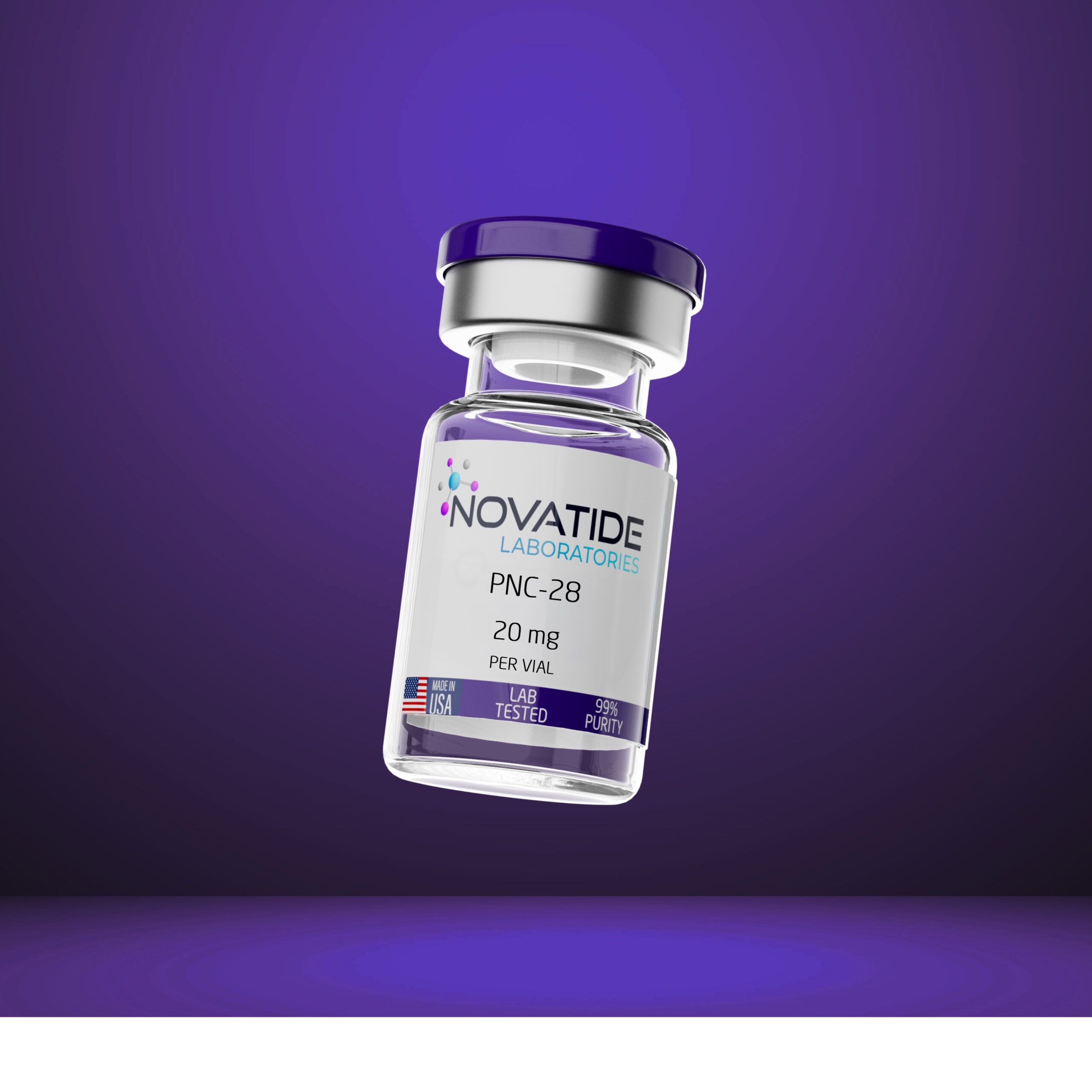
PNC-28 is a synthetic peptide derived from the p53 protein’s mdm-2 binding domain, specifically residues 17–26. It incorporates a cell-penetrating sequence, facilitating its entry into cells. Upon internalization, PNC-28 binds to the HDM-2 protein located on the plasma membrane of cancer cells, leading to the formation of membrane pores and subsequent necrosis of the tumor cells. This mechanism allows PNC-28 to selectively target and eliminate cancer cells without affecting normal, healthy cells.
1. Anticancer Activity
-
Selectively targets cancer cells by binding to membrane-associated p53 proteins, which are often mutated or misfolded in tumors.
-
Induces rapid apoptosis (programmed cell death) in cancer cells through mitochondrial disruption and membrane permeabilization.
-
Minimal toxicity to normal cells, as healthy cells typically express properly folded p53 localized in the nucleus rather than at the membrane.
2. Mechanism of Action
-
PNC-28 contains a p53-derived sequence fused to a membrane-penetrating peptide (derived from the antimicrobial peptide magainin).
-
Once inside tumor cells, it disrupts cell membrane integrity, leading to cell lysis and death.
-
It does not rely on immune system activation or DNA damage — its effect is direct and membrane-dependent.
3. Experimental and Preclinical Findings
-
Demonstrated tumor regression in several animal models (pancreatic, colon, and melanoma tumors).
-
Reduced tumor growth and increased survival rates in mice treated with intratumoral or systemic PNC-28.
-
Studies suggest a broad spectrum of activity across various solid tumor types that express abnormal p53.
4. Safety and Limitations
-
Preclinical data show low systemic toxicity and minimal side effects in healthy tissues.
-
Still experimental — not FDA-approved or widely available for human clinical use.
-
Further research is needed to confirm long-term safety, dosing, and pharmacokinetics.
Summary
PNC-28 is an experimental tumor-targeting peptide that works by selectively destroying cancer cells through a unique p53-dependent membrane mechanism. It represents a promising direction in peptide-based anticancer therapeutics but remains under investigation and is not yet approved for clinical treatment.